
When you live in a sunny climate, natural light is one of the greatest features of your home or office. Large glass sliders, expansive windows, and open views make spaces feel bright, inviting, and spacious.
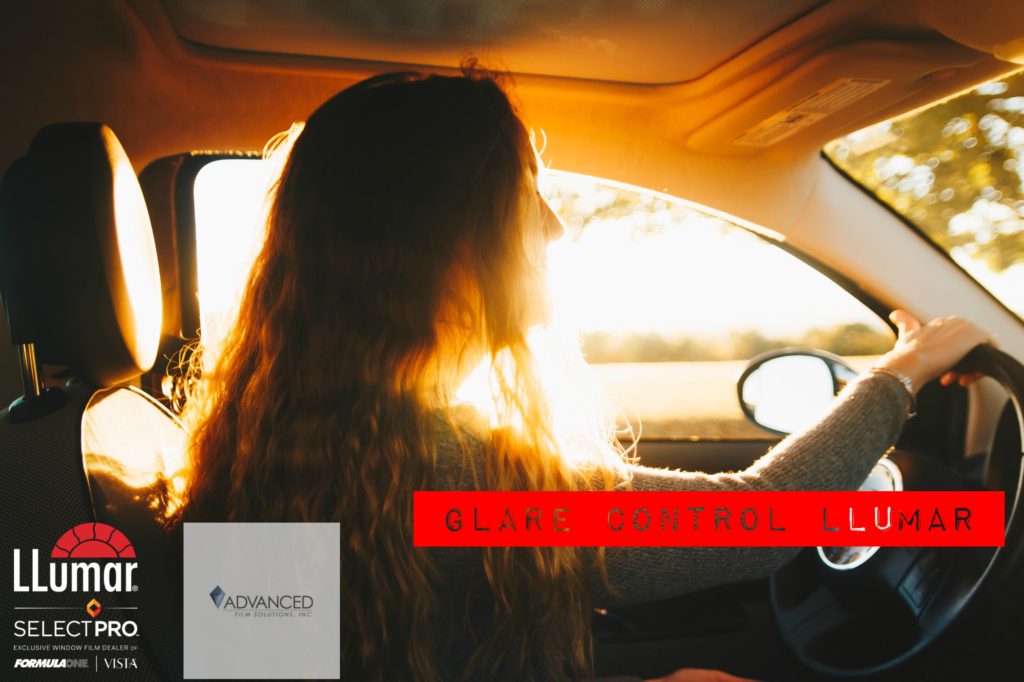
However, uninterrupted sunlight comes with a high price tag: uncomfortable heat, blinding glare, damaging UV rays, and skyrocketing energy bills.
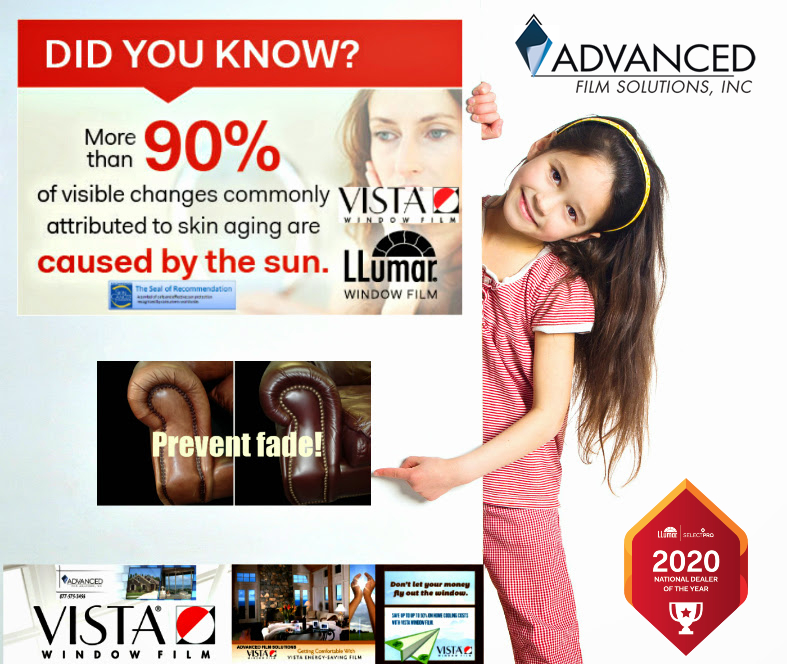
Thanks to our 3M Prestige or our LLumar Select-Vista solar control window film applied to your glass, you can filter out nearly 80% of the glare and heat.
Replacing glass windows and sliding doors can be wildly expensive and disruptive. That’s where Advanced Film Solutions comes in.
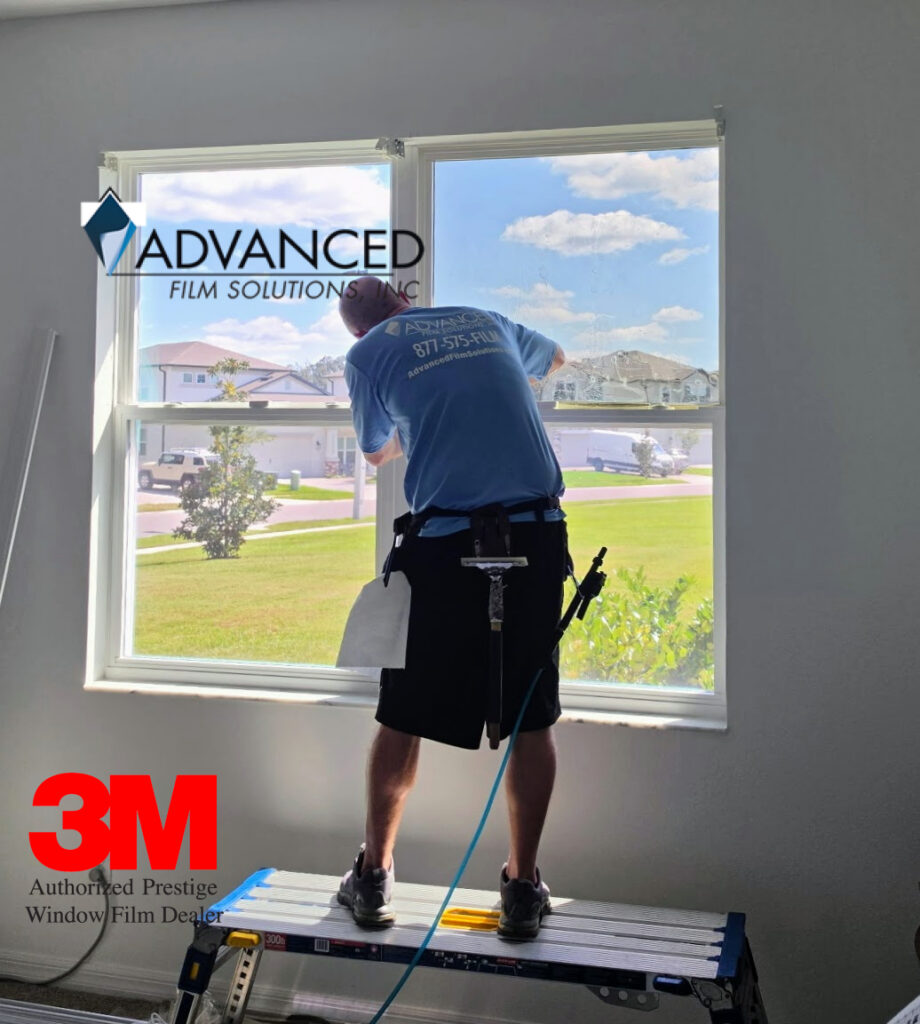
We transform your existing glass with industry-leading 3M and Eastman window films—delivering high-performance protection without changing the view you love.
Here is why homeowners and commercial property managers consistently trust Advanced Film Solutions for their window tinting needs.
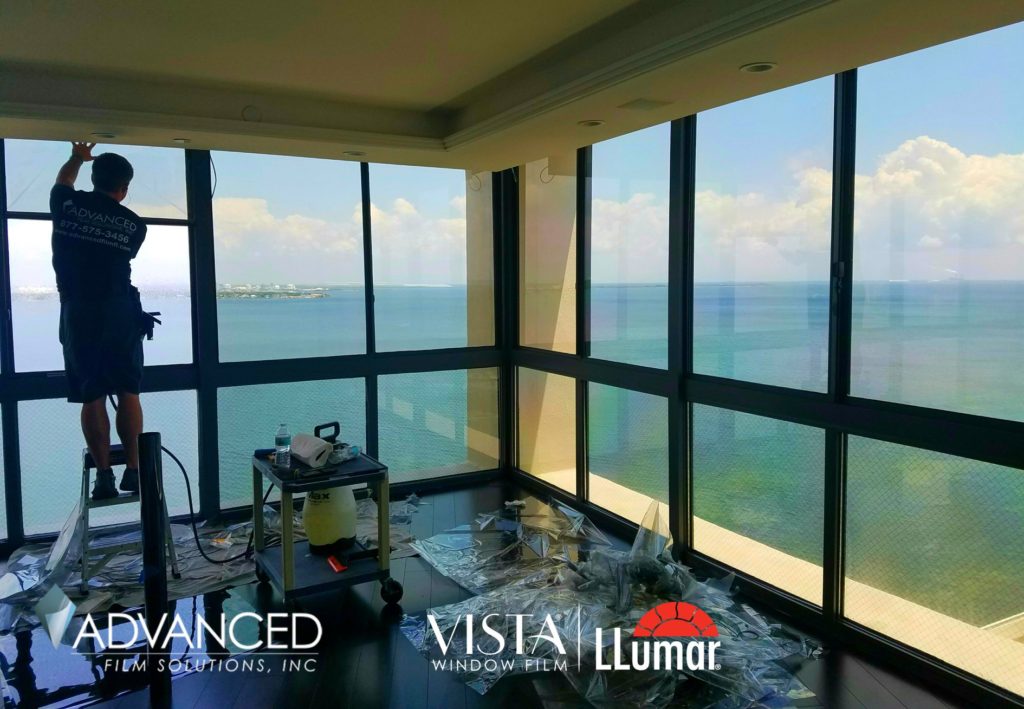
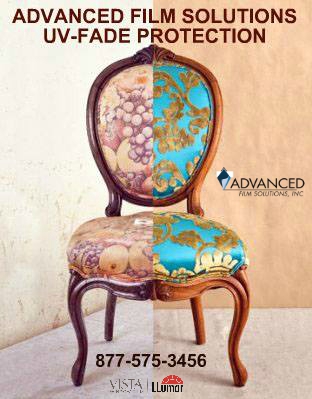
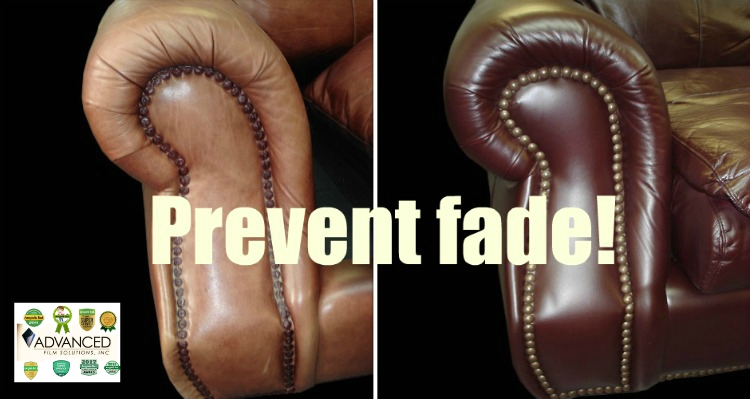
These durable, lifetime warranted coatings factor out 99.9% of the UV rays that promote faded furnishings, wood floors and accessories.
1. Superior Heat, Glare, and UV Protection
Excessive heat and blinding sun glare can make certain rooms in your home or office completely unusable during peak daylight hours. Standard glass allows raw heat and harmful rays to pass directly into your living or working environment.
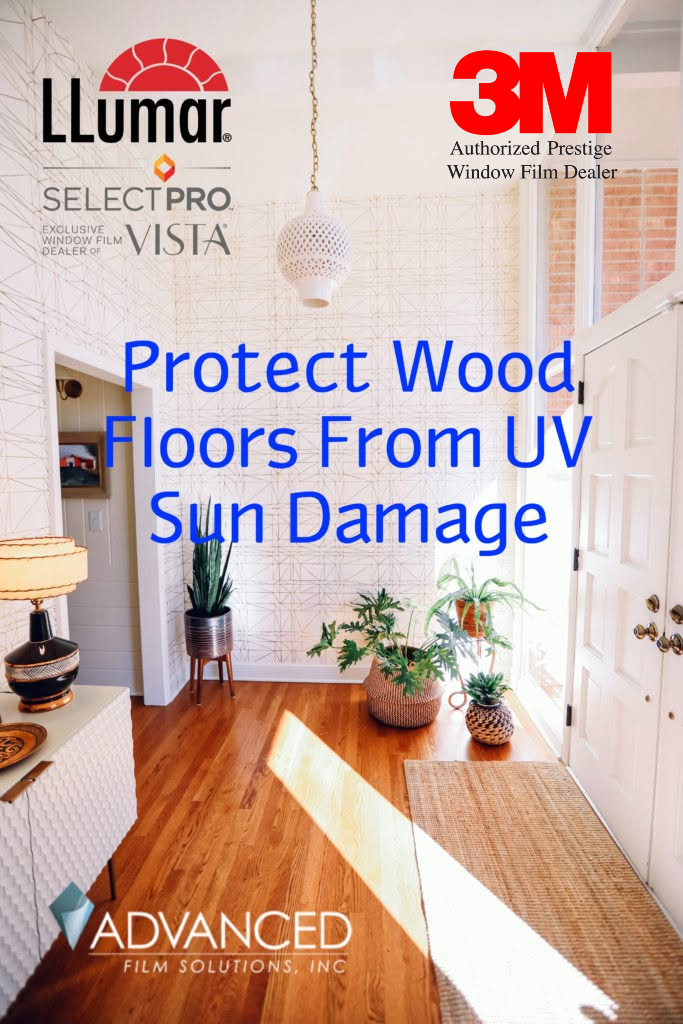
Our advanced thin films create a protective thermal barrier:
-
Block Solar Heat: Keep your indoor spaces noticeably cooler, reducing the burden on your HVAC system and lowering monthly energy bills.
-
Eliminate Blinding Glare: Enjoy your TV screens, computer monitors, and natural views comfortably without squinting or pulling heavy drapes.
-
Stop 99% of UV Rays: Protect your family and employees from harmful ultraviolet radiation, while keeping your expensive hardwood floors, furniture, artwork, and upholstery from fading and deteriorating.
2. Industry-Leading Quality: Powered by 3M & Eastman
Not all window films are created equal. Inferior products often degrade quickly, turning purple, bubbling, or peeling over time and making your property look neglected.
At Advanced Film Solutions, we exclusively use premium 3M and Eastman window films. These state-of-the-art products are engineered with micro-thin, multi-layer technology designed to endure intense sunlight without changing color or bubbling—ensuring crystal-clear clarity and flawless aesthetics for years to come.
3. HOA & Deed Restriction Compliant
Many homeowners worry that adding window film will violate strict Homeowners Association (HOA) guidelines or deed restrictions regarding external appearance.
Because our 3M and Eastman films utilize advanced non-reflective and ceramic technologies, they provide maximum solar control without giving your windows a dark, shiny, or mirror-like look. They preserve the clean, natural appearance of your home’s exterior, keeping you fully compliant with deed restrictions while enjoying maximum comfort indoors.
4. Enhanced Safety and Impact Protection
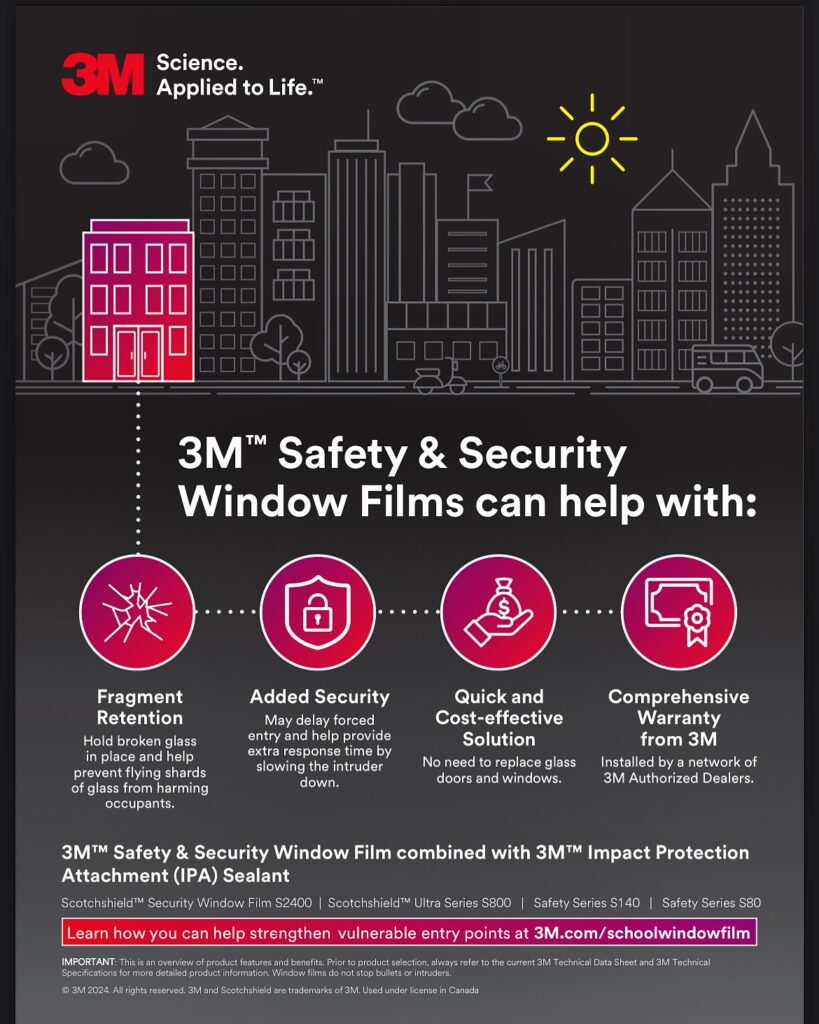
Windows and glass sliding doors are inherently the most vulnerable parts of any building, especially during high winds, severe weather, or unexpected impacts.
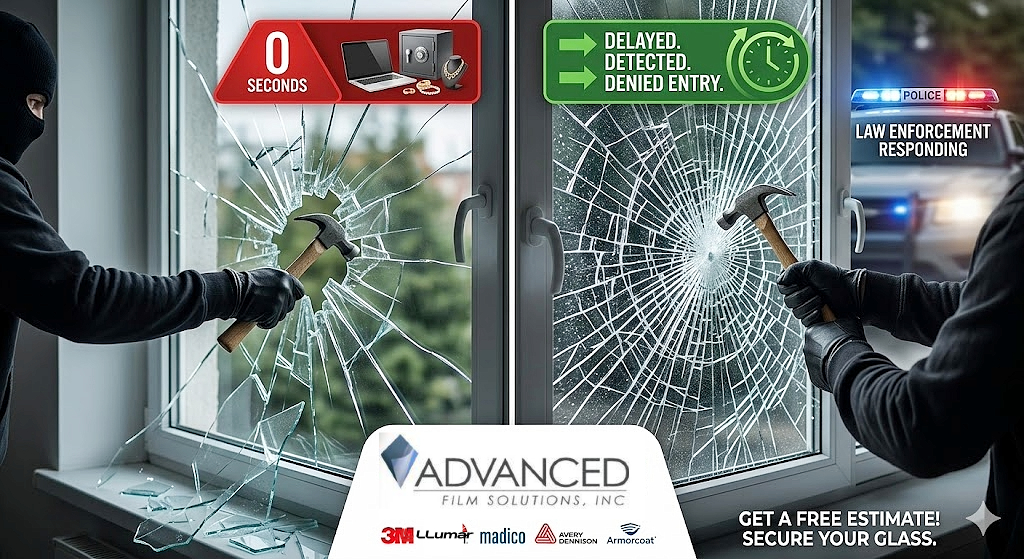
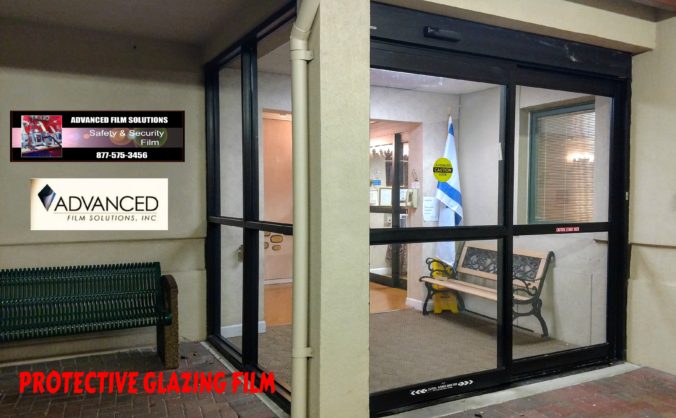
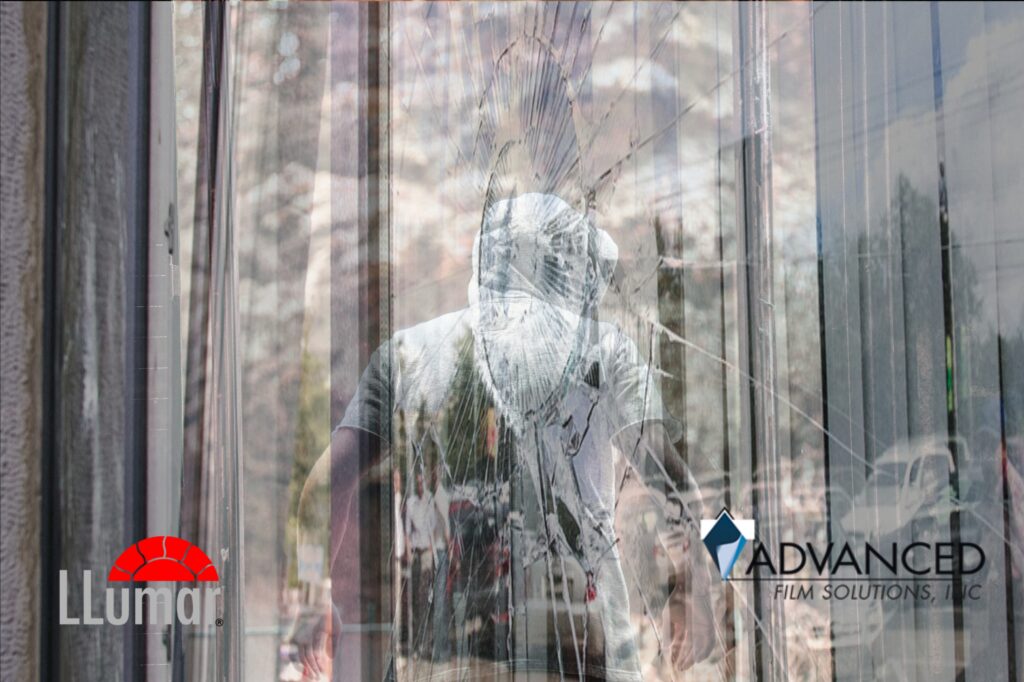
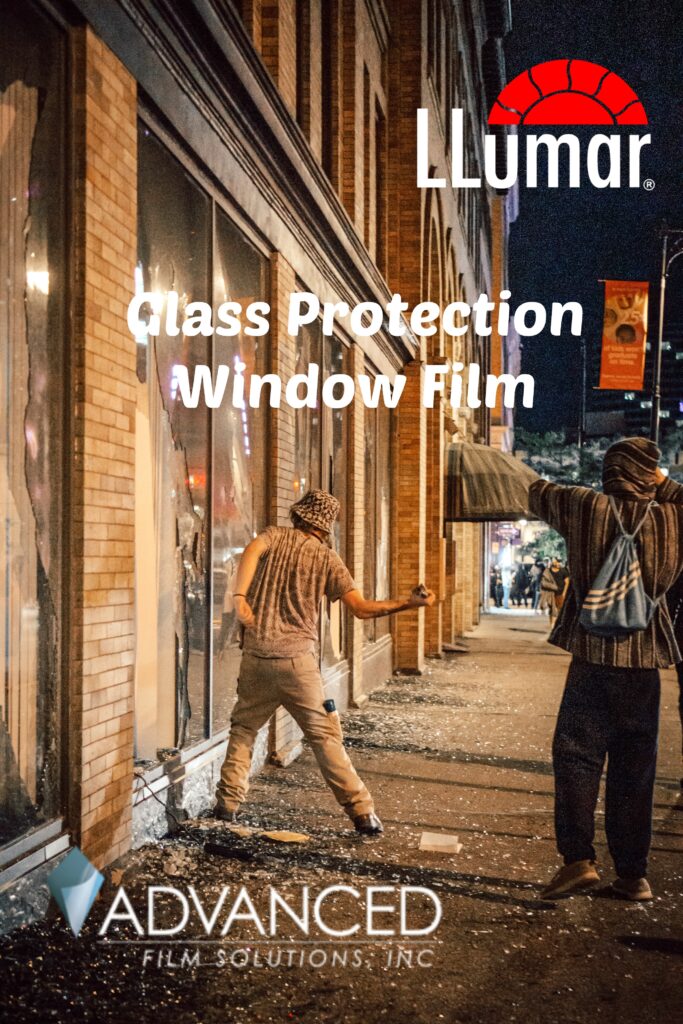
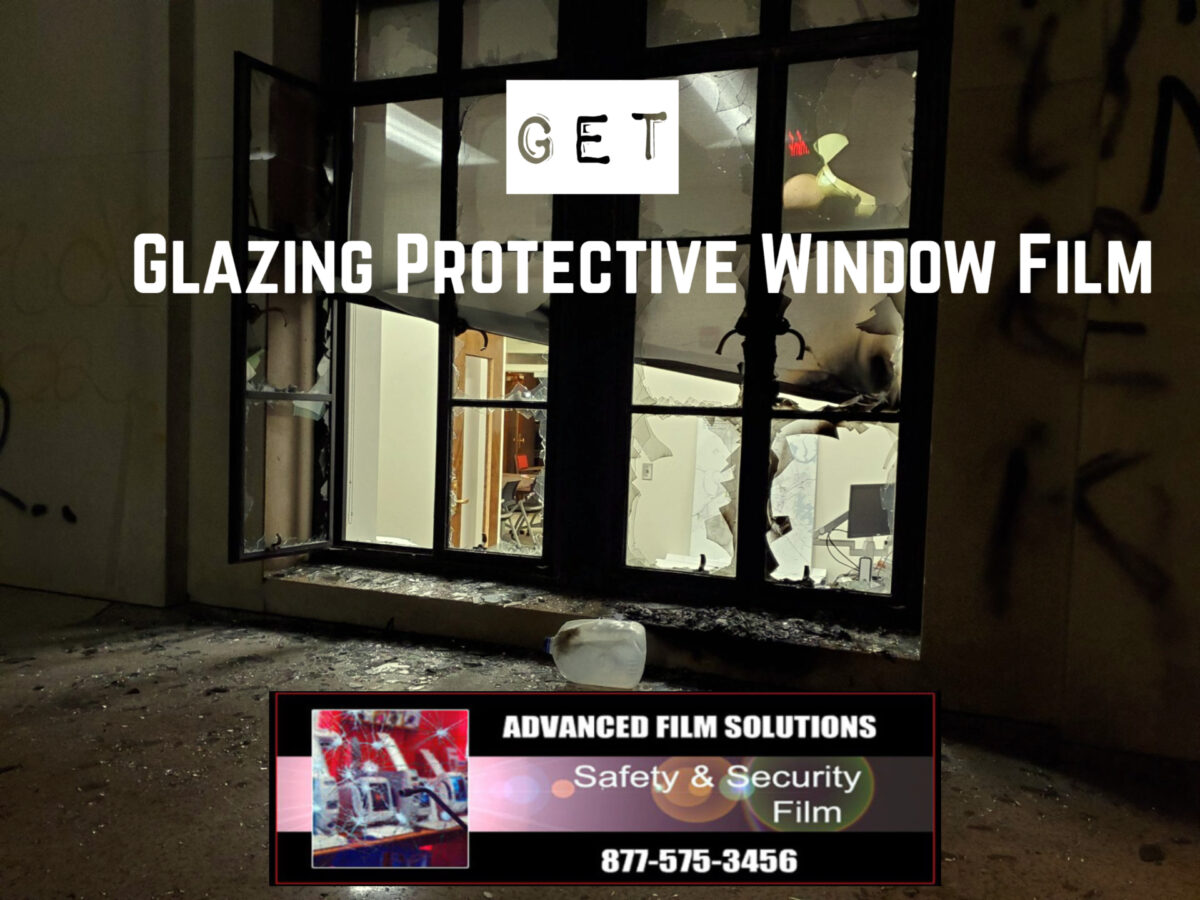
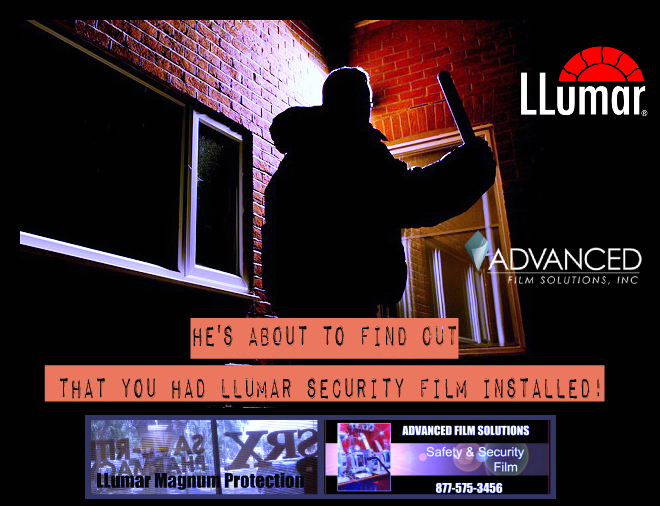
Our safety and security window films hold shattered glass tightly in place upon impact. If a flying object or violent storm breaks the glass, the film acts as a protective web, preventing dangerous flying shards from injuring people inside or opening your property up to wind and water damage.
Elevate Your Glass with Advanced Film Solutions
Whether you want to lower your energy costs, safeguard your interiors from fading, protect your family from shattered glass, or simply enjoy your view without the heat and glare, Advanced Film Solutions has the perfect solution for your existing windows and glass sliders.

Ready to Upgrade Your Home or Business?
Contact the team at Advanced Film Solutions today for a free estimate and discover how easy it is to transform your glass!

These choices include reflective and non-reflective films as well as combination solar security films like 3M Prestige Ultra that not only cut the heat and glare but additionally protect your home from burglary and flying glass.
Our shatter films are at minimum 8 ML thick. They are available in scores of light transmissions and appearance.
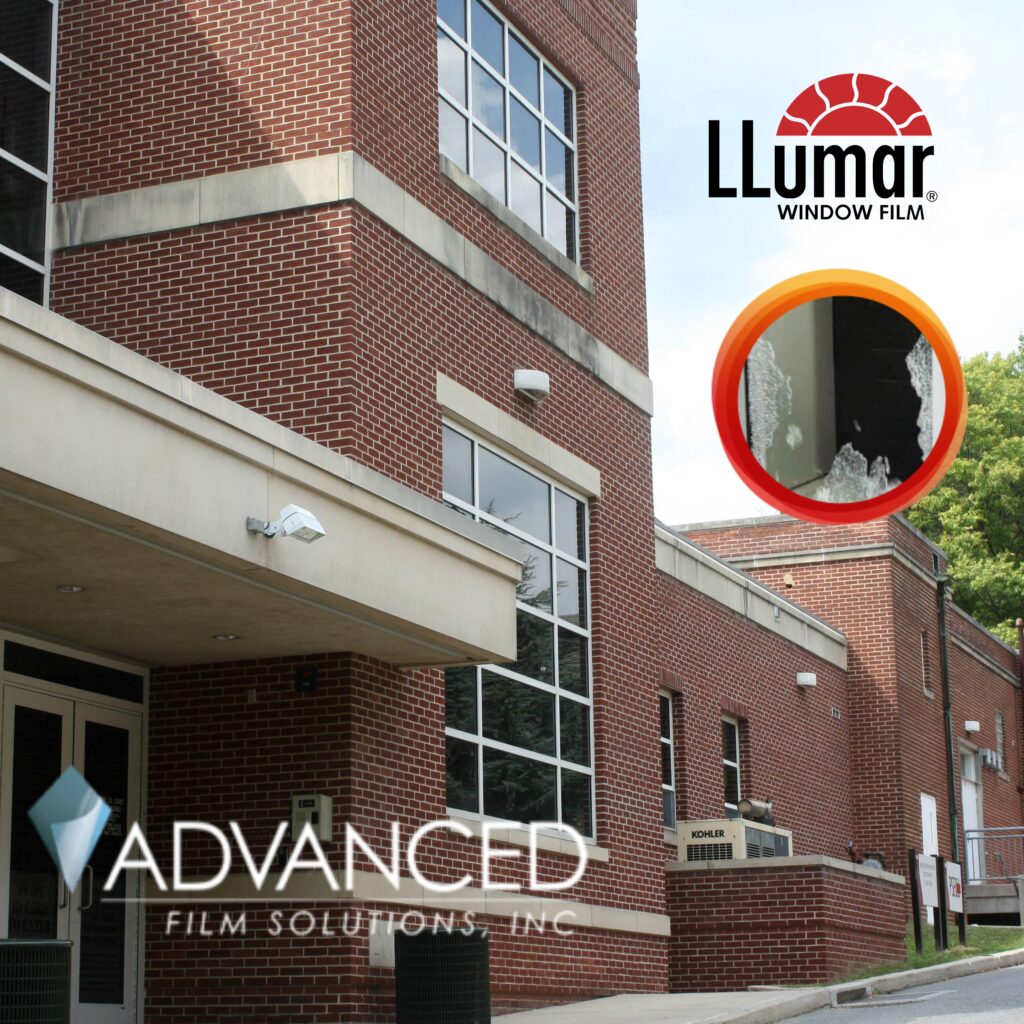
Advanced Film Solutions installs the leading security film solutions including 3M Ultra, LLumar, Vista, Armorcoat, Madico and SunTek.
Free estimates by calling
toll free: 877-575-3456